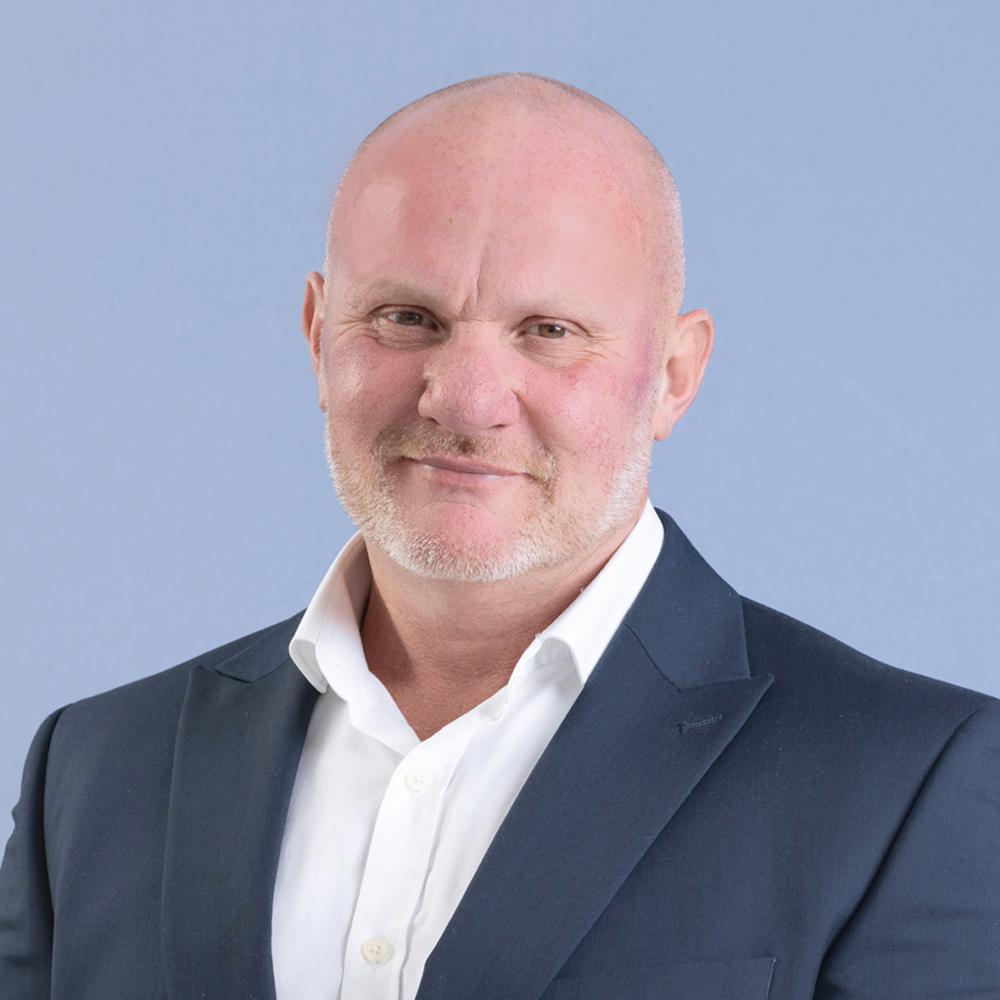
Meet our expert
Name: Garret Spring
Job title: Solicitor (non-practising)
Get in touch
To speak to the Pro Global team please feel free to reach out to us at:


Lysander PR
To contact our PR team directly please use the link below

At our core, we’re a team of specialist insurance experts who can simplify and transform complex and speciality insurance operations.
HOW WE HELPWe can help you transform your operational effectiveness, implement effective changes, outsource and scale your operations, audit your organisational compliance and enable your MGA.
OUR SERVICESPro is an expanding global business supporting the insurance industry. We don’t sell insurance ourselves - insurers come to us to help them transform, outsource, or audit their specialist insurance operations.
JOIN USPro Global is one of the leading providers of outsourced services and solutions to the London Market. Our depth of experience can be found across our media section.
News & MediaGarret Spring reflects on his work at Pro Global, seven years on, and his extensive legal background, against the backdrop of Artificial Intelligence (AI) now being at the forefront of insurance claims technology.
Former claimant solicitor, Garret Spring joined Pro Global in March 2019, and has since worked on the Enstar account, where he currently focusses on asbestos-related and respiratory disease claims, claims within the firm’s dedicated Complex Claims Team.
Now seven years on at Pro, Garret discusses his legal background as a qualified solicitor and journey into the insurance sector as well as the rise of AI in claims.
You were a Solicitor of a private practice previously; can you tell us about your journey into Pro?
I qualified as a Solicitor in 1997, so I spent 21 years in private practice before I moved to Pro Global. I spent time at a few leading claimant practices, and I was a Partner who led a team that dealt with a wide range of industrial disease claims. I was also ranked as a leading lawyer in the Legal 500 and Chambers.
As the market became more challenging, law firms started to consolidate their Personal Injury and Industrial Disease teams. I took the opportunity to consider a move into insurance and that is how I ended up at Pro in 2019, and I have now been here for seven years.
2. What initially piqued your interest about the specialty claims side of the business at Pro and why?
I secured a role working for one of our largest reinsurance clients at a time when we were considering bringing the asbestos claims in-house. I had the skills needed to investigate the claims, which I had acquired through my previous experience as a Solicitor.
The learning part for me was understanding how insurers and reinsurers worked as well as learning how the London market played an important part in this area. I found it challenging and it gave me the opportunity to continue to learn and expand my skillset.
3. How has your background in occupational illness, disease and industrial disease claims fed into your current role?
I understand how claimant’s lawyers work and how their business models operate, I can use this insight to effectively identify the most appropriate stage to settle claims – that is both beneficial for the insurer and also helps claimant lawyers understand that insurers are there to pay valid claims. Similarly, this insight can be used to identify and prepare defence opportunities to ensure only claims which meet the appropriate legal tests are paid.
Likewise, I have used my past experience to build trust and relationships with those I used to be competing against to win clients.
4. Can you tell me about the challenges you are seeing in specialty claims currently – and why you think these challenges exist?
The nature of the claims is changing. Traditional asbestos claims where individuals have worked in an industry where asbestos was regularly encountered are still seen, but increasingly we are seeing claims where the exposure is more nuanced, often indirect, and in different areas of the industry, including more retail and education sector claims, where the exposure is not as high and low dose defences need to be considered where exposure is not sufficient to meet the legal tests. .
This has meant that we need to look increasingly at questioning the exposure and where this took place, over what period, and examining the evidence to correctly understand the position and secure the appropriate outcome.
Low dose claims are on the rise. People are also becoming aware of other workplace cancers and there is more information out there on the internet as to how workplace environments may have had an impact on someone’s health. This means that there may be more of these types of claims that we see in the future, and experience of having pursued these types of claims previously stands me in good stead to help insurers investigate them.
5. With the rise of AI, where can you see specialty claims heading in terms of claims handling?
There is a place for AI to help speed up a process. The opportunities flowing from AI are material, however, AI also has its limitations, specifically issues around large language models and hallucination of outputs. I personally think that there will always be a need for the human touch in these claims. Claimants may distrust an automated end-to-end process and Claimant lawyers want to speak to a human about such complex claims.
They want to feel like someone has listened to them. AI can’t offer that empathy in more serious claims, which is usually needed especially when a claimant wants to know that someone is very sympathetic to their position and takes them seriously.
Name: Garret Spring
Job title: Solicitor (non-practising)
To speak to the Pro Global team please feel free to reach out to us at:
To contact our PR team directly please use the link below

Please fill out the following form so that we can connect you with the specialists best suited to your enquiry.
By filling in the following form you are agreeing to receive our newsletter and industry relevant communications

 View Previous