As we move further into 2026, many insurers, MGAs and brokers find themselves facing a familiar cyclical challenge. Market conditions are softening, pricing is under pressure across numerous classes, and profitability is becoming harder won.
But while outsourcing is understandably back on the agenda for many, treating it simply as a cost-saving exercise risks solving the wrong problem. In insurance, where expertise, governance and operational resilience directly influence performance, effective operating models are rarely built around cost alone. Increasingly, firms are looking for outsourcing partners that combine global talent with deep insurance knowledge, scalable delivery and the ability to support long-term transformation – not just reduce today’s operating costs.

The fact is, few organisations can afford to take their foot off the accelerator when it comes to technology investment. Modernisation programmes, AI initiatives, system migrations and data transformation projects remain critical to future competitiveness. Most insurance leaders recognise that these investments will ultimately improve efficiency and create stronger businesses. The difficulty is that the benefits often arrive later than the costs.
That creates an uncomfortable squeeze. With margins tightening and transformation budgets continuing to demand attention, operational expenditure is inevitably coming under greater scrutiny.
A More Nuanced Conversation
The outsourcing debate has often been reduced to a simple choice between retaining work in-house or moving it to a lower-cost location. In reality, the question is much less about geography and much more about operating model design.
Insurance is a specialist industry. Whether supporting underwriting, delegated authority business, claims or technical accounting, the quality of outcomes depends on people who understand the context in which they are working, above and beyond the individual tasks they are completing.
The global talent market has also evolved enormously over the last two decades, and exceptional insurance professionals can be found across many international markets. The opportunity therefore isn’t choosing between onshore and offshore delivery; it’s building an operating model that places the right expertise in the right location, supported by consistent governance, technology and client oversight.
When decisions are driven primarily by labour cost comparisons, some organisations discover that apparent savings are gradually offset by increased management oversight, communication complexity, rework or the loss of valuable operational knowledge.
Viewed through that wider lens, outsourcing becomes less about reducing headcount and more about strengthening the way the business operates.
Insurers Managing Priorities Simultaneously
The timing is particularly significant. Many insurers are currently managing several major priorities simultaneously. Technology transformation programmes are underway across the market. Regulatory requirements continue to evolve.
Data quality expectations are increasing. Talent remains difficult to secure in many specialist disciplines. Meanwhile, boards are demanding greater operational resilience and more meaningful data insights to inform operational leadership.
Each of these pressures is manageable in isolation. Taken together, they create a degree of organisational change and complexity that many firms have not experienced before.
In these environments, capability often matters more than capacity. Adding additional resource may help alleviate immediate workload pressures, but sustainable improvements typically come from people who understand how insurance operations function in practice. Experience becomes particularly valuable when businesses are redesigning processes, implementing new systems or navigating periods of organisational change.
That is why many organisations are reassessing not only where work is performed, but who is performing it and how effectively that expertise is being applied.
The Hidden Cost of Knowledge Drain
One of the less visible consequences of outsourcing decisions can be the gradual erosion of institutional knowledge. Insurance businesses accumulate expertise over many years. Teams develop an understanding of client requirements, underwriting appetites, delegated authority relationships, regulatory expectations and operational nuances that cannot always be captured in a process document.
When experienced personnel leave or functions become fragmented across multiple providers, valuable knowledge can dissipate surprisingly quickly. For larger carriers operating across increasingly multijurisdictional regulatory environments, preserving that knowledge has become a strategic consideration in its own right.
This is particularly true in specialist and complex lines where consistency, continuity and technical understanding can have a direct impact on service quality and underwriting performance. Cost efficiency remains important, but so too does protecting the expertise that underpins the business.
Why Hybrid Models Are Gaining Momentum
Increasingly, we are seeing organisations move away from binary discussions about onshore versus offshore delivery.
The more sophisticated conversation centres on how different capabilities can be combined to create the most effective operating model.
Many firms are adopting hybrid structures that blend local market expertise and client-facing engagement with specialist international delivery teams. Rather than treating all activities in the same way, they assess where particular functions can be performed most effectively while maintaining governance, quality and responsiveness.
This approach acknowledges a simple reality: not every insurance process has the same requirements. Some activities benefit enormously from close collaboration with underwriting teams, regular stakeholder interaction and market-specific knowledge. Others can be delivered exceptionally well from specialist centres that provide scalability and operational flexibility. Ultimately, within a complex and diverse market, no two operating models are the same. Carriers require unique, tailored services as opposed to “out of the box” solutions, which will only go so far.
This shift towards hybrid operating models is already happening across the market. At Pro Global, we’ve invested in our own global delivery capability because we’ve seen clients increasingly prioritise access to specialist expertise, operational resilience and scalability over simple labour arbitrage.The office has become a key component of our global service model, supporting insurers, MGAs and brokers with technical insurance capabilities while working closely alongside client-facing teams in London, Europe and North America.
Importantly, the success of the model has not been driven by cost alone. Clients increasingly value access to experienced insurance professionals, strong cultural alignment, overlapping business hours and the ability to scale resources without sacrificing quality or oversight.
That experience reinforces an important point. Effective outsourcing is rarely about finding the lowest-cost location. It is about creating an operating model where the right expertise is available in the right place, supported by the right governance and technology.
Technology Strengthens Hybrid Delivery
Despite the rapid advancement of AI and automation, insurance remains fundamentally a people business. Technology is undoubtedly improving speed, accuracy and productivity across a range of operational activities. However, technology alone does not solve data quality issues, improve underwriting discipline or strengthen operational governance.
Those outcomes still depend on people. The most effective organisations are using technology to enhance expertise rather than replace it. Automation removes repetitive tasks, allowing skilled professionals to focus on higher-value activities that require judgement, interpretation and decision-making.
In that respect, the future is unlikely to be defined by a choice between technology and people. It will be shaped by how effectively organisations combine the two.
Looking Beyond Short-Term Savings
In a soft market, every pound matters. But so does every underwriting decision, every data point and every client interaction. Global talent can be a powerful competitive advantage when deployed thoughtfully. The objective is not to move work as far away or as cheaply as possible, but to build delivery models that combine expertise, resilience, scalability and value, at scale around the world.
For Pro Global, that’s exactly why we’ve continued to invest in hybrid delivery models that combine experienced client-facing teams, specialist insurance expertise, and in-house technology capability across our global operations, including our expanding Latin American hub in Buenos Aires. This integrated approach gives clients access to deep technical expertise, innovative technology solutions, greater operational resilience and the flexibility to scale without compromising governance or service quality.
In a market where every investment is being scrutinised, outsourcing should create more than immediate cost savings. It should leave an organisation stronger, more adaptable and better equipped for whatever the next market cycle brings. Increasingly, that’s the outcome our clients are looking for, and why they’re choosing operating models built around expertise as much as efficiency.
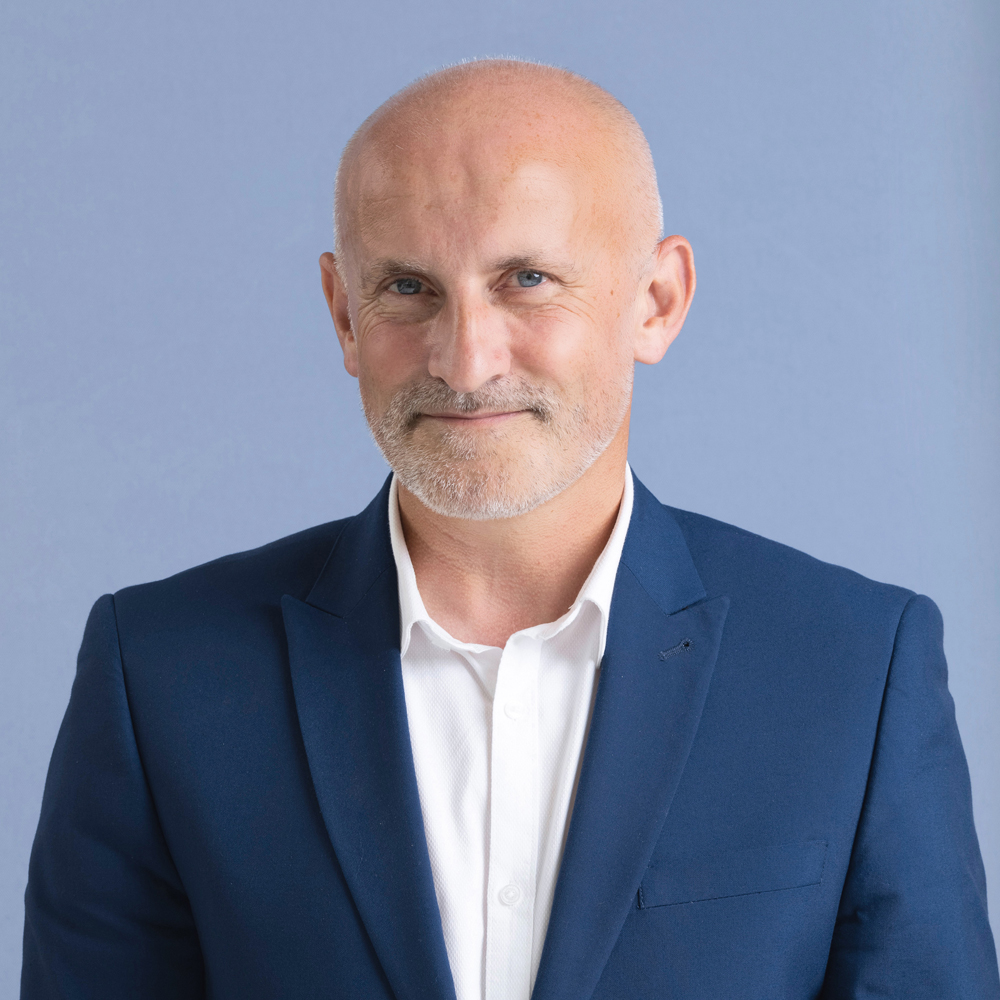
Meet our expert
Name: Shayne Caple
Job title: Head of Underwriting Services
Get in touch
To speak to the Pro Global team please feel free to reach out to us at:


Lysander PR
To contact our PR team directly please use the link below

 View Previous